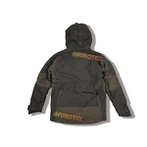
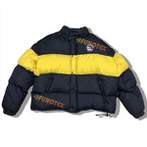
Cheap plastics can be transformed into sustainable fabrics. According to a new study published by British journal Nature and Sustainability on March 16,2021, scientists from Massachusetts Institute of Technology reported a newly developed polyethylene textile fabric with low environmental footprint.
The rise of textile and garment industries plays an important role in the development of the economy and people's livelihood, but the pollution problem also follows. At present, the clothing industry (textile and garment industry) has become the second largest polluting industry in the world (after oil and gas industry), because the textile manufacturing industry needs to consume a lot of water and produce millions of tons of waste, and the annual greenhouse gas emissions account for 5% ~ 10% of the global total. In addition, the maintenance of textile equipment usually consumes more energy and water than the manufacturing process.
MIT scientist Stavrana Poliskina and his colleagues used standard textile process and equipment to produce fibers, yarns and fabrics made of polyethylene (PE). This kind of polyethylene can be recycled completely, and it is one of the most commonly used plastics nowadays. The research team found that these fabrics have the characteristics of stain resistance, good water absorption and fast drying speed even without any chemical treatment. This kind of polyethylene yarn can be colored by environmental protection technology, avoiding a large amount of toxic wastewater produced by traditional processes; The use of polyethylene conversion fabric can significantly reduce the environmental footprint generated in the previous use.
According to relevant data, the waste water produced by the textile and garment industry accounts for about 20% of the global waste water every year, and the greenhouse gas emissions from the textile and garment industry have also exceeded the total emissions from international flights and sea transportation. The well-known polyethylene is a kind of thermoplastic resin prepared by polymerization of ethylene, which is odorless and nontoxic, and feels like wax. Its greatest characteristics are low temperature resistance, excellent electrical insulation, good chemical stability, and can withstand most acid and alkali attacks (except acids with oxidizing properties). Therefore, it is widely used in industry, but it has not been used as fabric in the textile industry.
Researchers say that the latest fabrics made of polyethylene will have "unique" advantages in a series of applications and consumer markets in textile manufacturing and other industries.